Chefchaouen

Chefchaouen

The experience

Crafted for discerning travelers

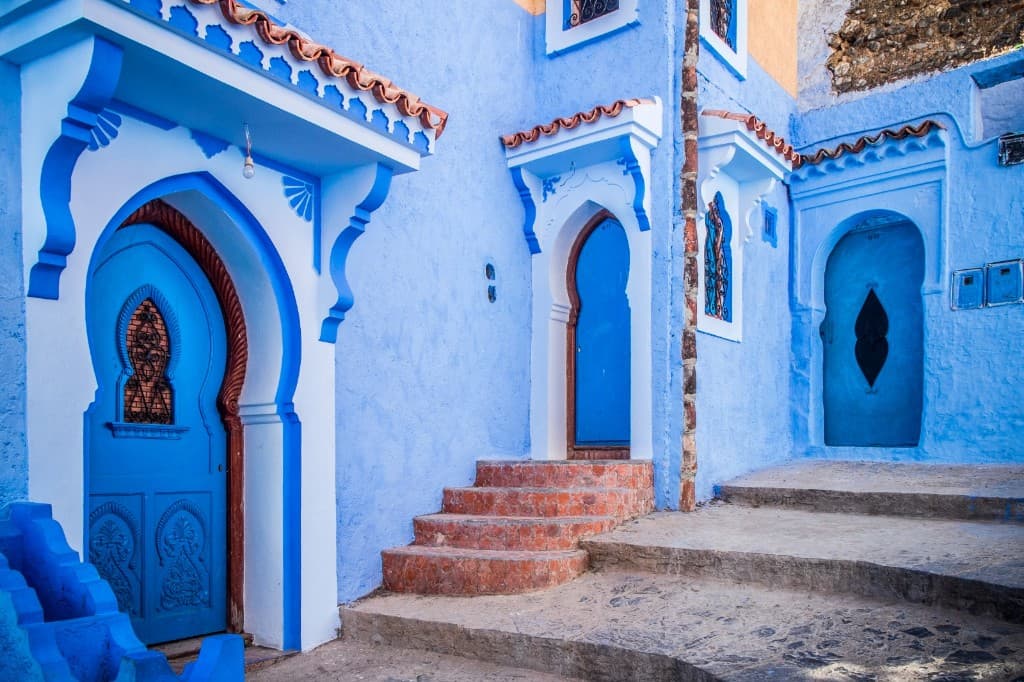
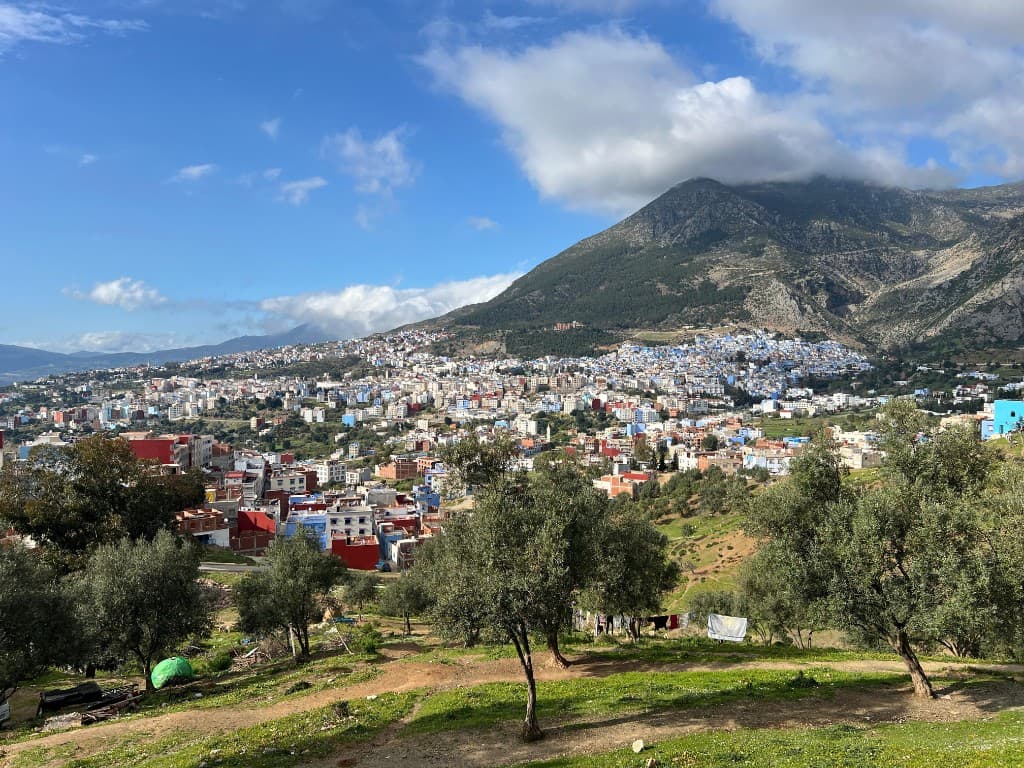
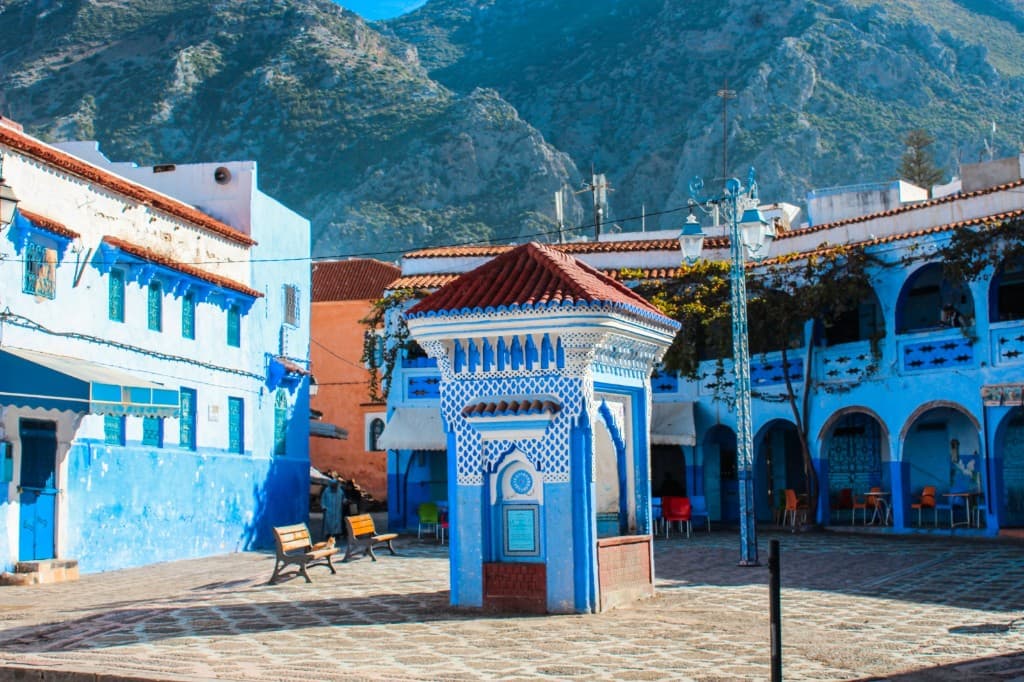
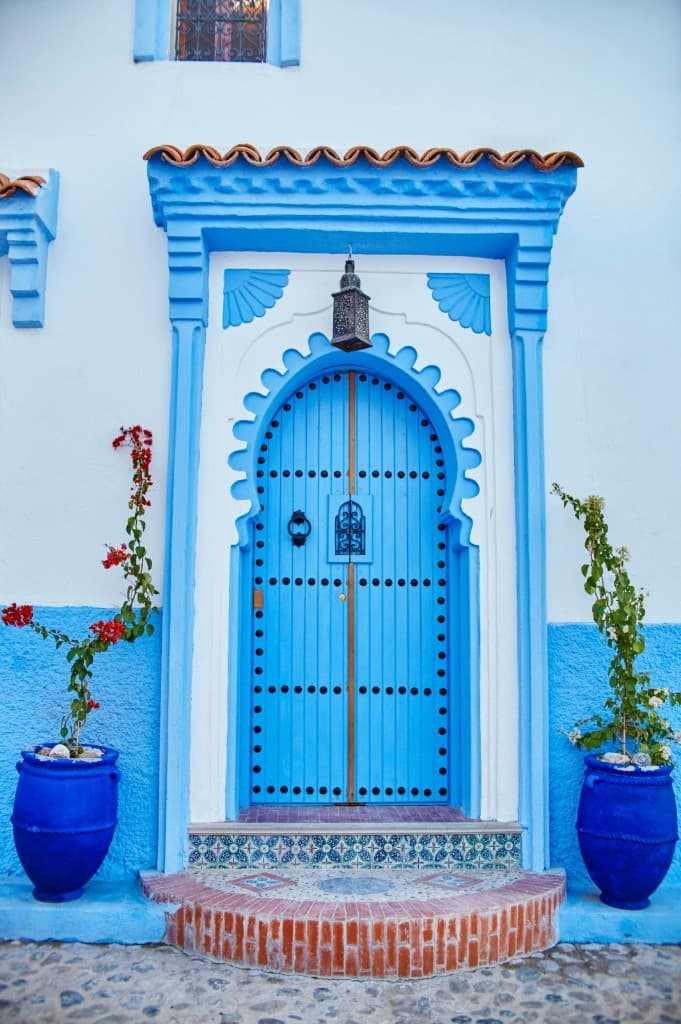
Chefchaouen is famous for its striking, blue-washed buildings that create a surreal and peaceful atmosphere. Nestled in the Rif Mountains, it's a photographer's dream. Wander through its cobalt-blue streets, enjoy the cool mountain air, and witness one of the most unique aesthetic wonderlands in the world.
When to visit Chefchaouen

Great time to visit

Now in Chefchaouen

28°C

Ciel dégagé

Humidity
45%
Wind
14 km/h

Best time to visit

April–June & September–October

Mountain air stays mild; spring flowers and clear autumn skies are ideal for walking the blue medina.

December–February is cooler and wetter in the Rif; pack layers and a rain shell.

A Walk Through Time

Five moments that shape the city — from Almohad heritage to its modern luxury chapter.

The Kasbah & Plaza Uta el-Hammam

The Kasbah & Plaza Uta el-Hammam

Begin at the ochre-red Kasbah on Plaza Uta el-Hammam — the fortified heart of Chefchaouen, built in 1471 by Ali ibn Rashid as a refuge from Portuguese incursions.

Did you know?

For nearly 450 years the town was closed to Christians — only three Westerners are known to have entered before 1920, all in disguise.

The Blue-Washing Tradition

The Blue-Washing Tradition

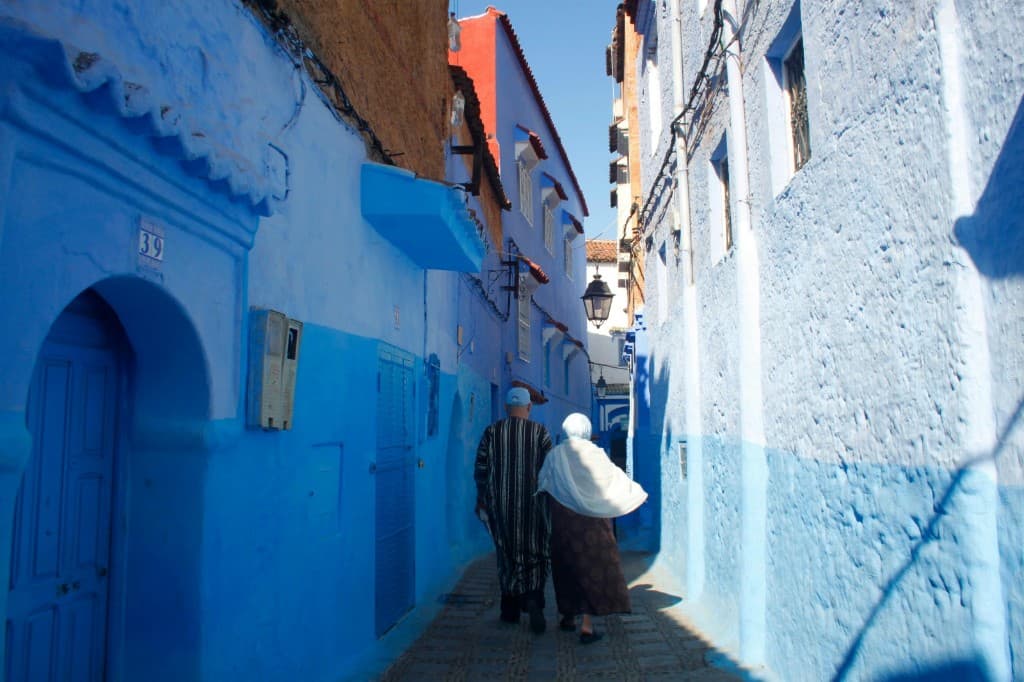
Step into the blue: cobalt walls, sapphire doors, and powder-blue steps turn the medina into a living watercolor — photographed more than almost any street on earth.

Did you know?

Locals say the Jewish refugees who arrived in the 1930s painted the walls blue to echo the sky and remind them of the divine — a tradition the whole town kept.

Artisan Doors & Courtyards

Artisan Doors & Courtyards

Pause at the hand-painted doors and tiled courtyards where daily life unfolds — craftsmen still mix their own indigo pigment the way their grandfathers did.

Did you know?

Chefchaouen's blue is re-painted every spring, just before the tourist season, in a community ritual called 'tajdid al-zarqa' — the renewal of the blue.

Ras El Maa Spring

Ras El Maa Spring

Follow the cool mountain stream rushing down from the Rif to the traditional washhouses where women still rinse carpets and linens in the turquoise water.

Did you know?

Ras El Maa means 'head of the water' in Arabic — the spring feeds the entire medina and is the reason Chefchaouen could survive its long siege centuries.

The Spanish Mosque Viewpoint

The Spanish Mosque Viewpoint

Climb the 30-minute trail at dusk to the hilltop Spanish Mosque for the most iconic panorama in Morocco — the entire blue medina set against the Rif mountains.

Did you know?

Built by the Spanish during their 1920s protectorate, the mosque was never actually used for prayer — today it's purely a pilgrimage for photographers at sunset.

WhatsApp
Call Us
Ask AI guide